What to know about access problems for Victoria gardeners in mews
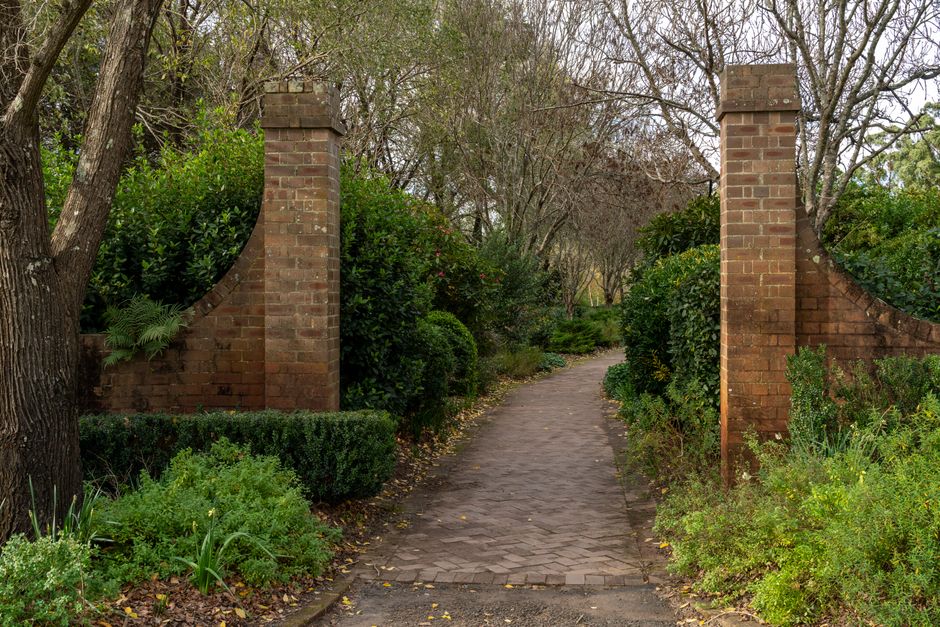
Garden work in a mews can look straightforward from the street, but once you get to the gate, the side passage, or the shared courtyard, things can get complicated fast. If you are trying to understand what to know about access problems for Victoria gardeners in mews, the real answer is usually less about the plants and more about the logistics: where the tools can go, how waste gets out, who has keys, and whether a mower can even fit through the entrance without a wrestling match.
That matters because access issues affect time, cost, safety, and what kind of gardening work is actually practical on the day. A tidy little mews garden can still be awkward if there is no vehicle access, a steep step, a low archway, or shared responsibility for opening gates. In this guide, we will break down the common access bottlenecks, how professional gardeners usually handle them, and what you can do to make the job smoother from the start.
- Why access problems matter in mews properties
- How access is assessed and managed
- Key benefits of planning access properly
- Who this is for and when it makes sense
- Step-by-step guidance
- Expert tips for better results
- Common mistakes to avoid
- Tools, resources and recommendations
- Law, compliance, standards, or best practice
- Options, methods, or comparison table
- Case study or real-world example
- Practical checklist
- Conclusion
- Frequently asked questions
Why What to know about access problems for Victoria gardeners in mews Matters
Mews properties often come with charm, privacy, and a tucked-away feel that people love. But that same layout can create awkward access for garden maintenance. A narrow entrance that is fine for a person on foot may be poor for wheelbarrows, hedge trimmers, or larger waste sacks. A garden that looks compact from the inside can still be a headache to work on if everything has to be carried through a shared passage one armful at a time.
For gardeners, access problems are not just a nuisance. They can shape the whole visit. If waste has to be moved by hand, a clearance job takes longer. If tools need to be unloaded far from the work area, there is more chance of delays and more chance of someone tripping over equipment. If a neighbour controls access to a shared gate, a simple maintenance visit can be thrown off by one missing key or one late reply. Small thing? Maybe. But it adds up quickly.
From the client's side, poor access can lead to surprise costs or a service that feels less efficient than expected. That is why good planning matters so much. If you are arranging work such as garden maintenance, lawn mowing, or hedge trimming, it is worth thinking about access before the first tool even leaves the van.
Practical takeaway: In a mews, access is part of the job design, not an afterthought. The smoother the entry, the safer and more cost-effective the work usually becomes.
How What to know about access problems for Victoria gardeners in mews Works
The process usually starts with a basic access check. A good gardener wants to know how they will enter the property, where they can park, whether there is a loading point nearby, and how far materials need to be carried. If the work is in a mews, the team may also ask about shared entrances, timed access, intercoms, resident permits, or whether there is a place to store tools temporarily once they arrive.
There are a few classic pinch points. First, width. Some hand tools are easy to manoeuvre, but larger mowers, clearance bags, soil sacks, or timber can be awkward in a tight passage. Second, height and overhead space. Low arches, steps, or uneven paving can make moving equipment slower and more tiring. Third, surface condition. Wet cobbles, loose gravel, or slimy paving after rain can make a simple walk feel like a minor obstacle course. You know the kind of day: one moment it is all manageable, and the next you are edging a sack through a gate with a bin bag flapping in the breeze.
In practice, experienced gardeners often adapt by using smaller kit, breaking the job into stages, or bringing waste out in manageable loads rather than all at once. For bigger jobs, they may recommend a separate clearance visit or a more detailed plan for moving material out. If you are considering a full reset of the space, a service like garden clearance can be more efficient than trying to squeeze everything into a standard maintenance slot.
Communication matters too. If access is via a shared courtyard, someone needs to know who will open the gate and when. If there is a pet in the garden, that needs flagging. If the route includes a narrow hallway, it helps to know in advance whether floor protection is needed. Little details, but they save a lot of hassle.
Key Benefits and Practical Advantages
Getting access right brings a few very real advantages, and not just for the person doing the work. Better access planning tends to improve the whole experience for everyone involved.
- Less disruption: Tools, waste, and people move more smoothly through the space.
- Safer working conditions: Fewer obstacles mean fewer slips, trips, and awkward lifts.
- More accurate quotes: The gardener can price the job based on the actual work, not guesswork.
- Better time management: A team can finish more efficiently when it is not constantly re-routing around access issues.
- Cleaner finish: When access is planned, there is less chance of damage to walls, paving, or shared hallways.
- Less stress for residents: You are not left trying to solve gate, key, or parking problems at the last minute.
There is also a subtle quality benefit. When the access route is clear, the gardener can focus on the actual garden work rather than improvising the logistics. That often shows up in the finish. Edges get done properly. Waste is removed properly. The day feels calm. Well, as calm as outdoor work ever gets, anyway.
For clients comparing service options, access can also influence what type of service makes most sense. A regular upkeep visit through a tight mews entrance may be fine, while a larger one-off job may need more planning or a quote tailored to the site. That is one reason it helps to look at the wider services overview before choosing the format of work.
Who This Is For and When It Makes Sense
This topic is relevant for homeowners, landlords, managing agents, and tenants alike. It also matters for anyone responsible for shared outdoor spaces behind period properties, converted buildings, or small private courtyards. If the garden sits behind a locked passage or is reached through a shared mews lane, you should assume access will affect the service plan.
You will benefit from thinking this through if:
- your garden is only reachable on foot;
- there is no direct vehicle access;
- the entrance is narrow, stepped, or uneven;
- access is shared with neighbours;
- the work includes bulky waste removal;
- you need regular maintenance rather than a one-off tidy;
- there are fragile surfaces, fixtures, or furnishings along the route.
It also makes sense if you are planning more involved work. For example, if the garden needs layout changes, resurfacing, or new structure work, access can become the deciding factor in whether a project is simple or slightly fiddly. Services such as landscape gardening or broader landscaping often depend on access in a way that people only notice once the first load of materials turns up.
If the work is smaller, like keeping growth under control or clearing ivy off a fence line, access still matters, just in a quieter way. It affects time on site, how many tools are needed, and whether the job can be done in one visit or needs a follow-up. Truth be told, many access problems in mews settings are not dramatic. They are just persistent, little friction points.
Step-by-Step Guidance
Here is a simple, practical way to handle access planning without overcomplicating it.
- Map the route from street to garden. Start at the nearest parking point and walk the path a worker would take. Notice gates, steps, doorways, corners, and anything that might snag a bag or tool.
- Measure the narrow bits. You do not need a surveyor's notebook. Just note the tightest widths and any low overhead points. Even a rough measurement helps.
- Check who controls access. Is there a keyholder? A concierge? A shared code? A neighbour who is away half the week? Sort this out early.
- List the bulky items. Think wheelbarrows, lawn mowers, hedge cutters, compost bags, timber offcuts, or green waste. If the route is awkward, the largest items are the ones that matter.
- Decide whether the job needs staging. Some jobs are fine as normal maintenance. Others are better split into sections, especially if waste removal is involved.
- Protect the route if needed. Floor coverings, dust sheets, or protective boards may be sensible in shared internal spaces or on delicate paving.
- Confirm parking and unloading. Even when the garden itself is hidden away, the loading point still shapes the day. A long carry from the van may be manageable, but it should be planned, not discovered mid-job.
- Speak up about special conditions. Pets, timed access windows, very early starts, neighbours with sleeping children, or noise-sensitive days all matter more in mews settings than people expect.
If you are booking routine care, this planning can keep the service neat and efficient. For example, ongoing visits through a narrow passage are often easier when the work is kept consistent, such as regular garden maintenance or scheduled lawn mowing. The team learns the route, and that alone saves time.
Expert Tips for Better Results
After enough site visits, a few patterns become obvious. The first is that the best access solutions are usually simple ones. No drama, no gadgets, no heroic carrying. Just good preparation.
Tip one: take photos of the access route before the visit. A couple of clear pictures of the gate, passage, steps, and storage space can answer questions that a short phone description cannot. This is especially useful if the person arranging the work is not the one who will be on site.
Tip two: keep the entrance clear on the day. Sounds obvious, but bins, bikes, prams, plant pots, and delivery boxes have a way of clustering in exactly the wrong place. One little obstruction can make a tight route much harder than it needs to be.
Tip three: think about the order of work. If there is a hedge to cut and waste to remove, do not leave the exit route blocked by cuttings. That sounds basic, but in narrow spaces it is easy to paint yourself into a corner. Literally, sometimes.
Tip four: choose equipment with access in mind. Smaller tools are often better than brute force in mews settings. A compact mower, lightweight trimmers, or hand tools may produce a better result than heavier kit that is awkward to transport.
Tip five: be realistic about what can be done in one visit. A mews garden can look tiny, then behave like a puzzle once waste has to come out. If the job seems like a stretch, say so early. A sensible plan is better than an optimistic one that unravels halfway through.
And a small but useful one: if access is shared, introduce yourself to anyone likely to notice the work. A friendly heads-up goes a long way. People are far more relaxed when they know what is happening and how long it might take.
Common Mistakes to Avoid
Most access problems are avoidable, which is the frustrating part. They often happen because people assume the garden is simple just because it is small. Small does not always mean easy.
- Leaving access questions until the day of the visit. That usually causes delays and awkward reshuffling.
- Ignoring waste removal needs. A tidy cutback can become a mess if nobody planned where the waste will go.
- Assuming a standard lawn mower will fit. Not every tool is suitable for every route.
- Forgetting about shared use. A mews lane or courtyard may be used by neighbours, delivery drivers, or residents with mobility needs.
- Not mentioning fragile surfaces. Old paving, painted woodwork, and decorative edges can be damaged by dragging equipment.
- Booking the wrong type of service. A routine visit is not always enough for overgrown, blocked, or cluttered gardens.
One common oversight is noise. It is easy to focus on gates and parking, then forget that hedge trimmers, blowers, and mowers create sound at the exact time a neighbour may be on a call or working from home. In a close-knit mews, that matters. A little warning can prevent a lot of raised eyebrows across the courtyard.
Another mistake is underestimating hand-carry distance. Ten metres sounds trivial until you are moving soil bags, clipped branches, or damp green waste back and forth several times. Then it is not trivial at all.
Tools, Resources and Recommendations
You do not need an elaborate toolkit to manage access issues, but a few practical items can make a difference.
- Measuring tape: useful for checking gate widths, passage gaps, and storage space.
- Phone camera: perfect for documenting the route and spotting bottlenecks before the visit.
- Dust sheets or protective covers: helpful where equipment passes through internal spaces.
- Wheelbarrow or trug: useful for moving lighter loads in smaller stages.
- Compact garden tools: often more practical in narrow settings than large-format equipment.
- Clear communication notes: a short written list of keyholder details, gate codes, and access times can save confusion later.
For related planning, it can also help to review service pages that match the type of work you need. If the access issue is tied to a major tidy-up, garden clearance may be the right fit. If the garden is being reshaped or upgraded, landscape gardening or landscaping may be more suitable. For structural additions that still need careful transport through tight access, decking services can also involve route planning from the outset.
On the trust side, it is sensible to read policy pages that explain how a company handles safety, security, and customer expectations. The health and safety policy, insurance and safety information, and pricing and quotes page all help set expectations before anyone arrives at the gate.
Law, Compliance, Standards, or Best Practice
Access work in a mews usually does not involve one dramatic rulebook, but it does sit within normal UK expectations around safety, reasonable care, and responsibility. The sensible standard is simple: do not create avoidable risk for residents, workers, neighbours, or passers-by.
In practical terms, that means thinking about safe manual handling, avoiding blocked exits, and making sure the route is secure enough for the work being done. It also means respecting shared spaces. If waste bags are going through a communal passage, the area should be left as tidy as possible. If there is a risk of damaging shared surfaces, that should be considered before the job begins rather than after a scuffed wall has already appeared.
For anyone arranging work in a shared or restricted space, best practice is to be clear about access permissions, arrival times, and the route the team will use. If a gate is locked, make sure the right person has access. If a building has particular site rules, communicate them. That sounds obvious, but you would be surprised how often it gets missed.
It is also wise to choose a service provider that is transparent about business terms and customer procedures. Pages like terms and conditions, complaints procedure, and accessibility statement help demonstrate a more considered approach. And yes, accessibility matters even in a garden setting, because people and properties are not all shaped the same way.
Options, Methods, or Comparison Table
There is no single right way to handle mews access. The best method depends on the space, the work type, and how much material has to move through the property. Here is a simple comparison to help you think it through.
| Approach | Best for | Pros | Limitations |
|---|---|---|---|
| Standard maintenance visit | Small gardens with clear pedestrian access | Efficient, predictable, usually low disruption | Can struggle if waste or bulky kit needs moving |
| Split-stage visit | Jobs with awkward entrances or limited unloading space | Reduces congestion and makes handling easier | May take more planning and coordination |
| Dedicated clearance appointment | Overgrown, cluttered, or waste-heavy gardens | Better for heavy lifting and larger clear-outs | May not be necessary for minor upkeep |
| Project-led landscaping plan | Redesigns, surfacing, or structural upgrades | Lets access be built into the job from day one | Needs more detail before starting |
The main point here is simple: match the method to the route. A mews garden with a narrow archway is not the place for guesswork. If the job is more than a quick tidy, a tailored approach usually saves time and stress later.
Case Study or Real-World Example
Imagine a small courtyard garden behind a Victorian mews. The garden itself is only a short walk from the entrance, but the access route includes a tight side passage, two small steps, and a shared gate. The client wants a seasonal tidy, hedge trimming, and removal of a decent amount of green waste. Nothing outrageous. Just enough to make the site interesting.
Before the visit, the access route is checked. The client sends a couple of photos. The team sees the narrowest point is where a wheelbarrow would need to turn, so the plan changes slightly: smaller loads, fewer bulky tools, and a short sequence for waste removal so the passage is not blocked. The gate key is arranged in advance, and the client clears a stack of stored pots from the route the evening before.
On the day, the job runs more smoothly than expected. The cuttings are moved out in stages. The hedges are shaped without interrupting shared access. The courtyard is left clean, and nobody has to apologise to a neighbour three times before lunch. That last part matters more than people think. A little planning turns a potentially awkward job into a fairly ordinary one, which is exactly what you want.
The outcome is not just a tidy garden. It is a calmer process, a better use of time, and less wear on the people doing the work. That is the real value of thinking through access properly.
Practical Checklist
Use this quick checklist before the gardener arrives. It is simple, but it catches a lot.
- Have you confirmed how the team enters the property?
- Do they need a key, code, buzzer, or escort?
- Is there enough room for tools to pass through safely?
- Are there steps, narrow corners, or low arches on the route?
- Is parking or unloading nearby, or will there be a longer carry?
- Have you mentioned pets, neighbours, or timed access restrictions?
- Is there a place to stage waste before removal?
- Have fragile surfaces or indoor routes been flagged?
- Do you know whether the job is routine maintenance or a heavier clearance-style visit?
- Have you reviewed the provider's pricing and quotes and safety information beforehand?
Quick summary: if the answer to any of those is uncertain, pause and sort it out before the appointment. That one small bit of prep can save a surprising amount of friction. Honestly, it is one of the easiest wins in garden work.
Get a free quote today and see how much you can save.
Conclusion
Access problems in Victoria mews gardens are rarely dramatic on their own, but they influence almost everything: cost, timing, safety, and the overall feel of the job. If you plan ahead, the work becomes much easier to manage. If you ignore access, even a modest garden can become oddly complicated.
The best approach is practical, not perfectionist. Walk the route. Measure the tight spots. Share the access details. Choose the right type of service for the space. That is usually enough to avoid the worst surprises and keep the day moving at a sensible pace.
If you are weighing up the next step, start with the basics and build from there. A well-prepared mews job is still a garden job, after all. It just needs a bit more thought around the door. And once that is sorted, the rest tends to fall into place nicely.
Frequently Asked Questions
What are the most common access problems for gardeners in mews properties?
The most common issues are narrow gates, shared entrances, stepped access, long carry distances, and limited space for unloading tools or waste. These are usually manageable, but they need planning.
Can a gardener still work if there is no vehicle access?
Yes, often they can. Many jobs can still be done on foot if the route is safe and practical. The main difference is that tools and waste may need to be carried manually, which can affect time and pricing.
Do mews gardens usually need a special type of service?
Not always, but access can make a difference to the best service format. Smaller maintenance visits may work well for simple jobs, while larger clear-outs or redesigns may need a more tailored approach.
How should I prepare a shared gate or courtyard before the visit?
Make sure the right person has access, remove obstructions, and tell neighbours if the work might affect shared movement. It helps to clear bins, bikes, and pots from the route too.
Will access problems make the job more expensive?
They can, because awkward access often takes more time and effort. That said, good planning can reduce the impact. A clear route and accurate information usually help keep costs sensible.
What photos are most useful to send before the appointment?
Photos of the entrance, the narrowest point, the garden itself, and any steps or obstacles are the most useful. One or two good images can tell a gardener far more than a vague description.
Is it better to book maintenance or garden clearance for a badly overgrown mews garden?
If the space is heavily overgrown or cluttered, garden clearance is often the more suitable option. Maintenance is better for ongoing care once the space is back under control.
How do gardeners handle waste in tight-access properties?
They usually move it in stages, use smaller loads, and plan the exit route carefully. In some cases, the work is split into sections so the route stays clear and safe.
What should I tell the gardener about neighbours or shared access?
Tell them who controls the gate, whether there are access times to respect, and if neighbours need advance warning. In close mews settings, that kind of communication saves awkward moments later.
Are there safety concerns with carrying tools through narrow passages?
Yes, mainly trips, slips, and accidental damage to walls or floors. Good handling, proper planning, and clear routes reduce these risks a great deal.
Can landscaping work still be done in a mews if access is poor?
Yes, but the project needs to be designed around the route in and out. Larger landscaping jobs often work best when access is considered during planning, not after materials have already been ordered.
What is the simplest way to avoid access delays?
Confirm entry details early, clear the route, and let the gardener know about any tight spots or shared areas. That alone solves a lot of the usual problems.
If you are dealing with an awkward mews entrance, a careful plan is not overkill. It is just sensible. And once the access is sorted, the garden itself gets the attention it deserves.